City guide
Overview
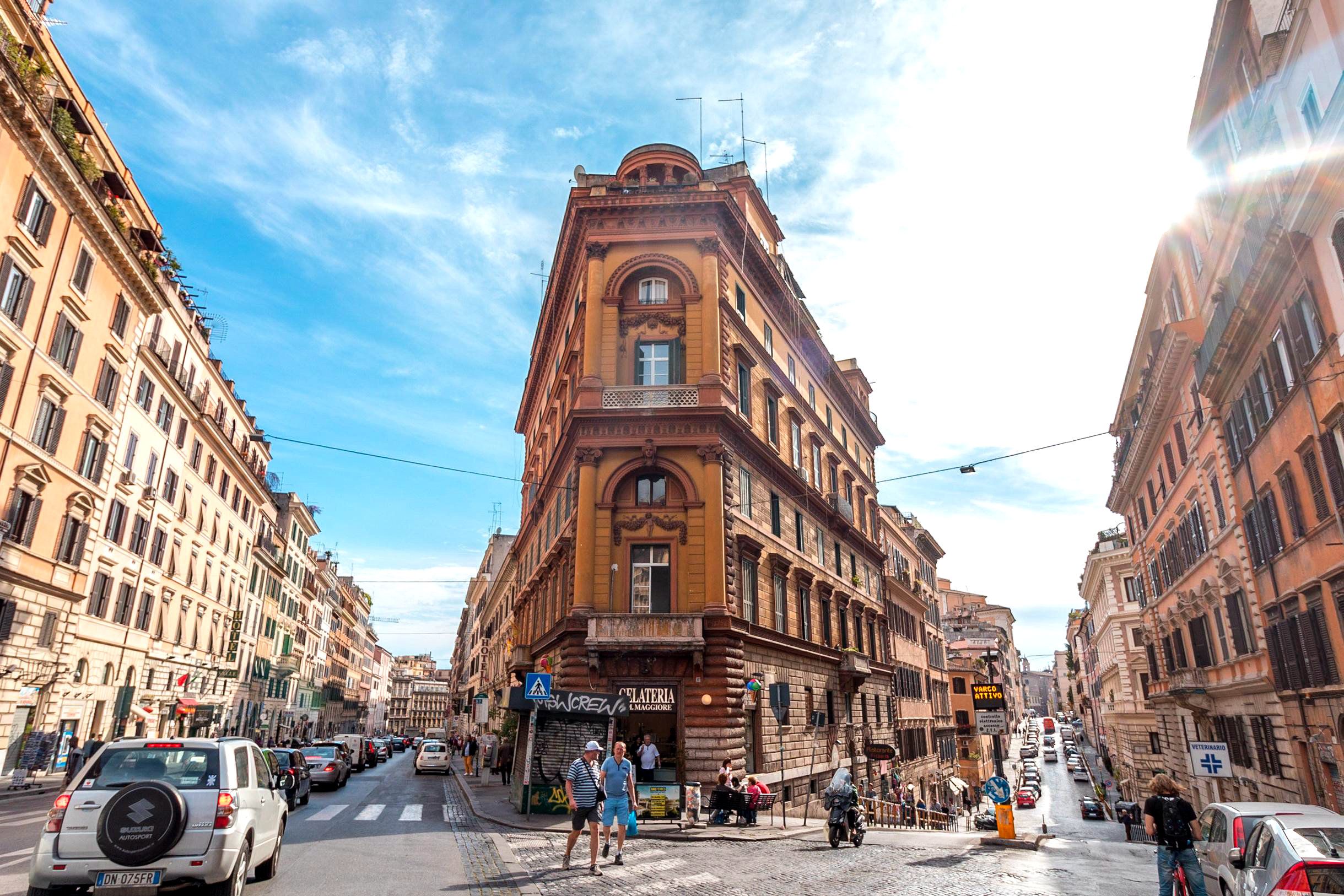
Rome is not only the capital of Italy but also the "Eternal City," the cradle of Western civilization, and one of the most significant cultural centers in the world.
This city offers students a unique opportunity to live among ancient ruins, Renaissance monuments, and Baroque masterpieces while getting an education at universities with histories spanning hundreds of years.
Thanks to its unique atmosphere, globally recognized degrees, and high level of academic training, Rome attracts thousands of students from all over the planet every year.
However, living in such a historic center has its own specifics, related both to daily life and the rhythm of the city.
In this article, we will take a detailed look at the key aspects of student life in Rome—from the economy and housing to transport and climate.
City guide
Economy and cost of living
Rome is a major metropolis, and the cost of living here is higher than in many other Italian cities. Nevertheless, smart planning allows students to enjoy all the benefits of the capital without unnecessary spending.
Average student expenses in Rome:
Housing Rental: Rental costs in Rome are quite high. A room in a student apartment will cost 400–600 EUR per month. Staying in dormitories or through the DSU program (subsidized housing) is significantly more cost-effective.
Food: High-quality food costs around 250–350 EUR per month. Buying groceries at local supermarkets and cooking at home is the best way to save money.
Transport: The public transport system is well-developed. A monthly student pass costs around 20–25 EUR.
Additional Expenses: Entertainment, museum visits, and personal shopping cost approximately 150–200 EUR per month.
💡 Tip: Be sure to use your student status to get discounts at museums, galleries, and when buying transit passes. Also, look for student canteens (mensa), where meal prices are minimal.
City guide
Student accommodation
Finding housing in Rome requires time and patience, so the best options get taken quickly:
Student Residences: A comfortable option provided by universities or private companies. The cost ranges from 350 to 600 EUR per month.
Room Rental: The most popular option among international students. Flat-sharing with other students helps split the cost of rent and utilities.
Private Apartment Rental: Suitable for those looking for maximum privacy, though the cost of such rentals is the highest.
As the company Student’s Life, we help students navigate the DSU system (the right to free housing and meals) and select suitable accommodation options in Rome.
City guide
Transport and infrastructure
Rome is a city with ancient history, so its transport system combines classic and modern elements.
Rome Metro: Consists of three main lines (A, B, and C). This is the fastest way to travel between key areas.
Buses and Trams: The network covers the entire city, including the historic center, where the metro may be unavailable due to ongoing archaeological excavations.
Walking: Rome is a museum-city. Often, the best way to reach your destination is to walk, discovering new piazzas and fountains along the way.
City guide
Climate
Rome features a mild Mediterranean climate with comfortable winters and hot, sunny summers.SeasonTemperatureFeatures❄️ Winter (Dec–Mar)+5°C to +15°CMild and wet winter, practically without snow.☀️ Summer (Jun–Aug)+25°C…+35°CHot, dry, and very sunny summer.💡 Tip: In the summer, Rome gets very hot, so light natural clothing and a bottle of water should always be with you. In the winter, a light jacket is enough, as frost and freezing temperatures are very rare.
City guide
Gallery